Finally, a CRM your reps want to update. Built to support your sales motion.

Trundl configures monday CRM around your pipeline, your stages, and your handoffs, so updating it is a natural step in the process, not an extra task. Automation, AI, and training work together so reps stop losing hours a week to admin.

The tool isn't the problem. It's the fit.

Your forecast is a Friday spreadsheet.

Your forecast is a Friday spreadsheet.

Deals live in reps’ heads and a weekly export. We configure the pipeline so the board, deals and leads, is the forecast.

Reps don’t track deals until they close.

Reps don’t track deals until they close.

When updating is tedious, reps skip it. AI capture and automations take the typing out of the loop.

We pay for features nobody opens.

We pay for features nobody opens.

The old CRM was sold as best-in-class, not as the best fit for your motion. monday is lightweight and flexible enough to configure around how your reps actually sell.

Everything needed to run the sales motion, not just track it.

CRM setup

We map your sales motion first: stages, qualification, ownership, handoffs. Then monday CRM is configured to match it, so reps recognize their own process from the first login.

Sales automation

Lead routing, follow-up reminders, stage-change notifications, and the handoff to customer success run as automations. Reps sell while the system does the chasing.

Connected sales stack

Email, calendar, and the tools reps already use connect into monday CRM, so conversations and meetings log themselves against contacts and deals without anyone typing it.

AI assistance

monday CRM ships AI agents, call summaries, and pipeline answers. We configure them across native functionality, our configuration, third-party tools, and custom work on your data and guardrails, so the CRM updates itself.

Reporting & forecasting

Pipeline coverage, conversion by stage, and forecast views are built from the data the CRM now captures on its own. Leadership gets the full picture, not just numbers in a spreadsheet.

CRM migration

Coming off HubSpot or another CRM? The migration practice moves contacts, deals, and history with the associations intact.

Context is the differentiator.

We design the operating model before we configure the software. A CRM fails when it’s built for the demo instead of the sales floor. We start with how your deals actually move, where they stall, who touches them, what marketing hands off and in what shape. The setup follows that map, so reps keep it current instead of working around it.

From scoping call to live pipeline without any disruption.

Day 0

A discovery call, then we report back with scope and not-to-exceed pricing before any work starts.

Week One

Sales-motion mapping with the people who carry the number. Stages, fields, and ownership get agreed on paper before they exist in software.

The build

Pipeline, automations, integrations, AI configuration, and dashboards ship in working increments. Your Sales Ops Lead reviews live boards, not mockups.

Handoff

The account transitions to your admin as a continuation of the same process, not a new system to learn. A defined hypercare period follows cutover for support.

Forecastable, on every engagement.

6

build shapes in the practice

NTE

not-to-exceed pricing, 
every package

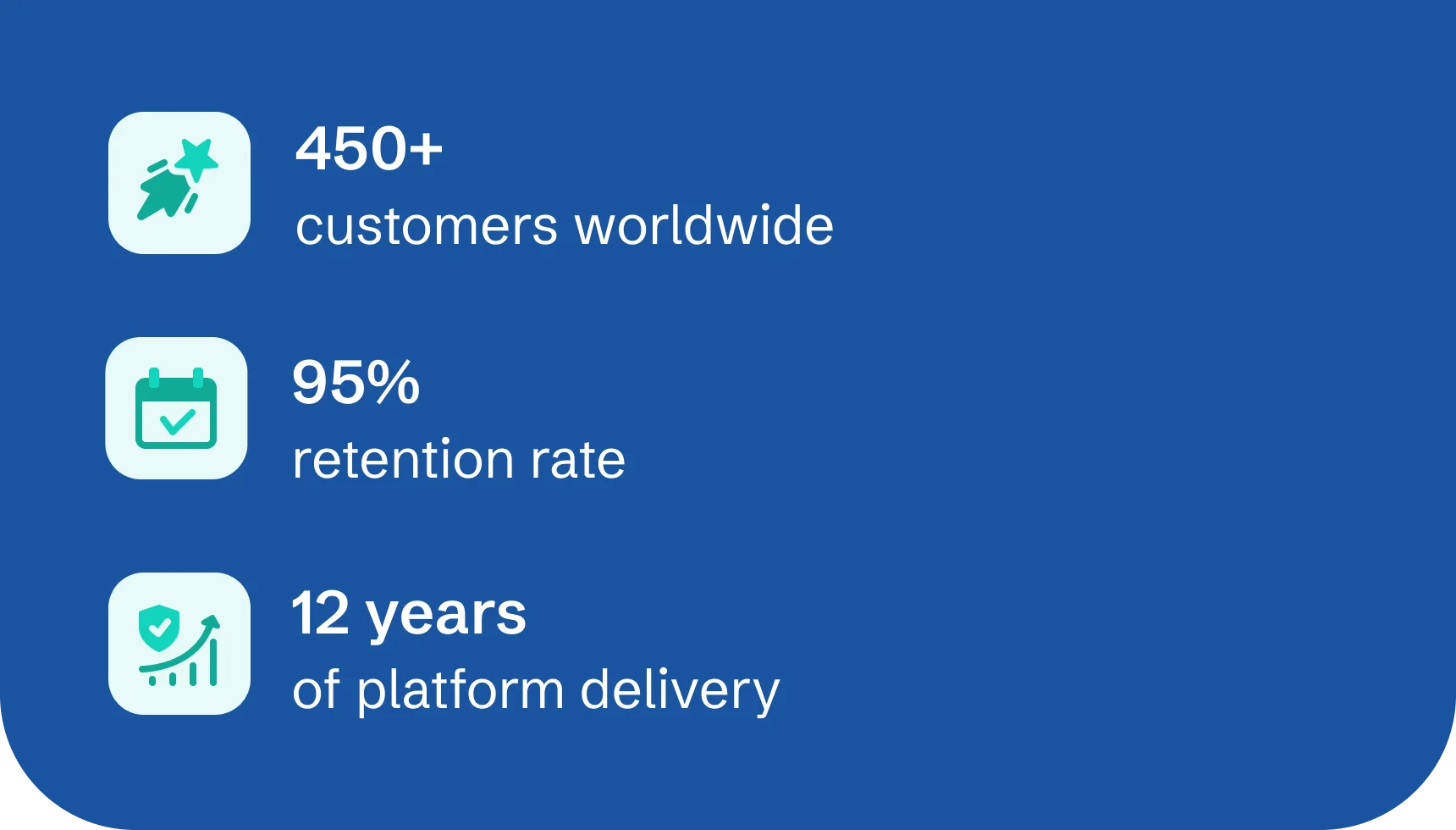
95%

retention, Trundl-wide

3

countries,
follow-the-sun delivery

Scope and timeline are defined during discovery.

Outcome-priced

You get a not-to-exceed number of hours after the scoping call. Price reflects your source complexity, record volume, integrations, and deadline.

Validated phases

Each phase closes with your sign-off. The cutover date is planned, not hoped for.

Real handoff

Your team runs the new environment from cutover day, trained on their own workflows, with hypercare support in the weeks right after go-live.

Your pipeline data, governed like the asset it is.

Governance that scales

Permission structures separate what reps edit from what leadership reads. Ownership rules keep accounts from going orphaned when people move on.

Certified delivery

Trundl is ISO 27001:2022 certified and SOC 2 Type II compliant. Engagements run GDPR-aligned.

Answers ready

Your security team gets answers before procurement asks. Access is scoped to the build and removed at handoff.

Thirty minutes. Your operation. A defined next step.

Bring your current pipeline, spreadsheet or CRM. We will identify the likely build shape, migration considerations and delivery window. If monday CRM is not a good fit, we will tell you.

No deck. No obligation.
A practical recommendation.

Latest from Trundl.

Paper

The ACD position paper

Our point of view on Accelerated Contextual Delivery, the model behind delivery in days.

STORY

The Toshiba story

How Toshiba's hardware teams were testing their own Jira by the second meeting.

BLOG

From the blog

Our latest thinking on enterprise delivery and AI.

Common questions.

What You're Getting

Sales-motion mapping, pipeline and stage configuration, automations, email and calendar integration, AI setup, dashboards, documentation, and admin training. Scope is fixed at the scoping call, so what you sign is what gets built.

Weeks, usually. It depends on your pipeline complexity and how many integrations are in scope, and we lock that window in alongside the price, before kickoff.

How It Works

Yes. HubSpot to monday CRM is a dedicated route: contacts, companies, deals, pipelines, and activity history move over with associations intact. Salesforce and other CRMs get scoped individually, some object models don’t translate cleanly and need to be rebuilt rather than copied, but the approach underneath is the same: map what moves, rebuild the automations on purpose, run parallel before cutover. Bring your current setup to the scoping call and we’ll tell you what carries and what doesn’t.

Source and qualify leads, summarize calls, draft follow-ups, answer pipeline questions on demand. We configure all of it against your own data and your own rules during the build. It’s not a generic layer switched on afterward.

The common ones, email, calendar, enrichment platforms, connect natively. Where there’s no native option we build against the API. What actually gets connected is decided at the scoping call, based on what you’re running.

Team and Training

Less than you’d expect. The CRM gets built around the process reps already run, so onboarding tends to feel like recognition rather than relearning. Training and documentation come with every build, and we can scope a heavier session for admins specifically if that’s useful.

Cost

Fixed scope, fixed price, tied to outcome. You’re paying for a working CRM, not hours logged. If scope changes mid-build we agree on it first, you won’t see it show up on an invoice after the fact.

Data and Support

Yes. Trundl is ISO 27001:2022 certified and SOC 2 Type II compliant, and every engagement runs GDPR-aligned. Access is scoped to the build and removed at handoff, there’s no standing door left open into your system.

Your admin, trained during the build. We stay engaged for a defined period afterward to catch whatever surfaces once your team’s actually using it day to day, and ongoing support can be scoped into the engagement past that if you want it.