- Platform
-
-
Our Platform
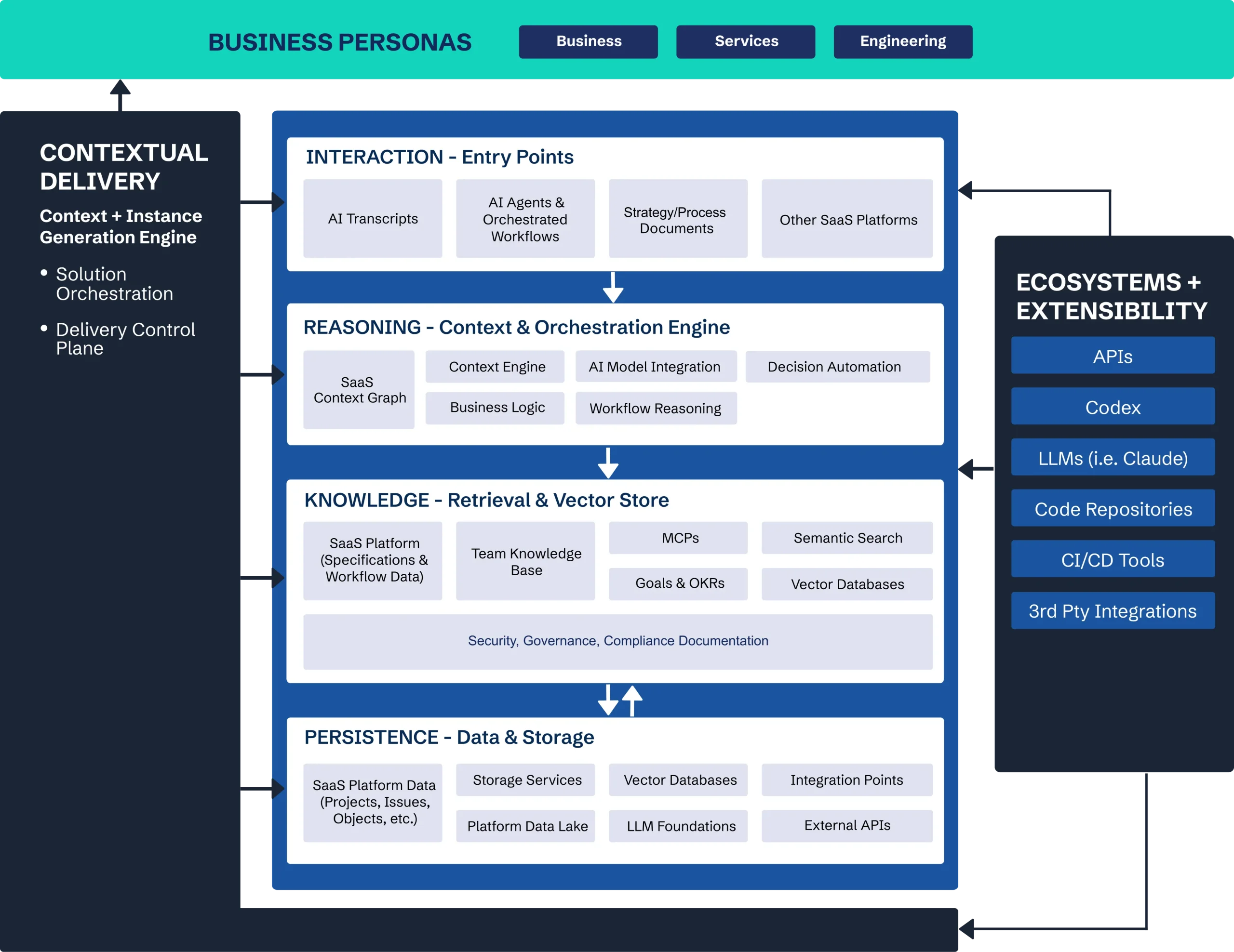
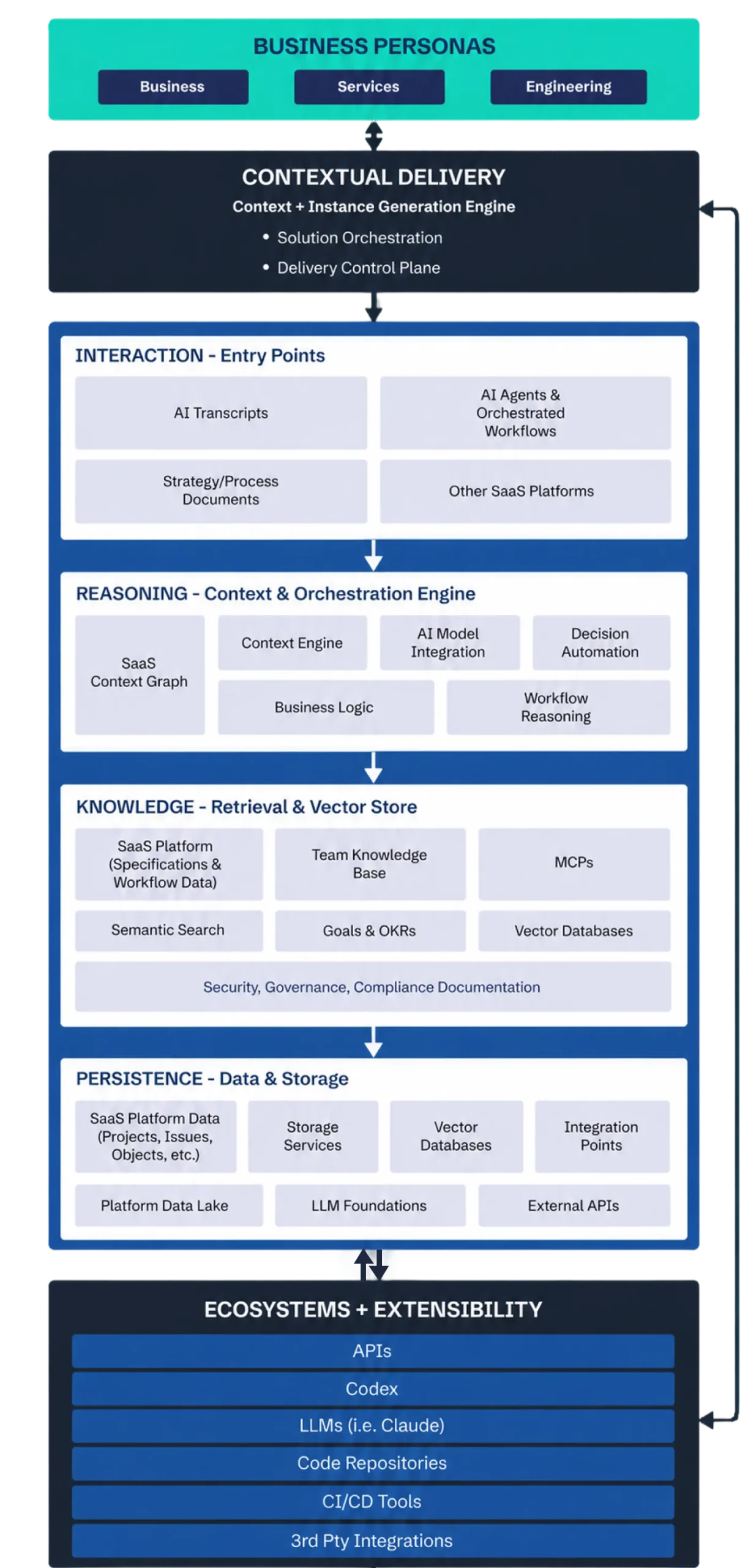
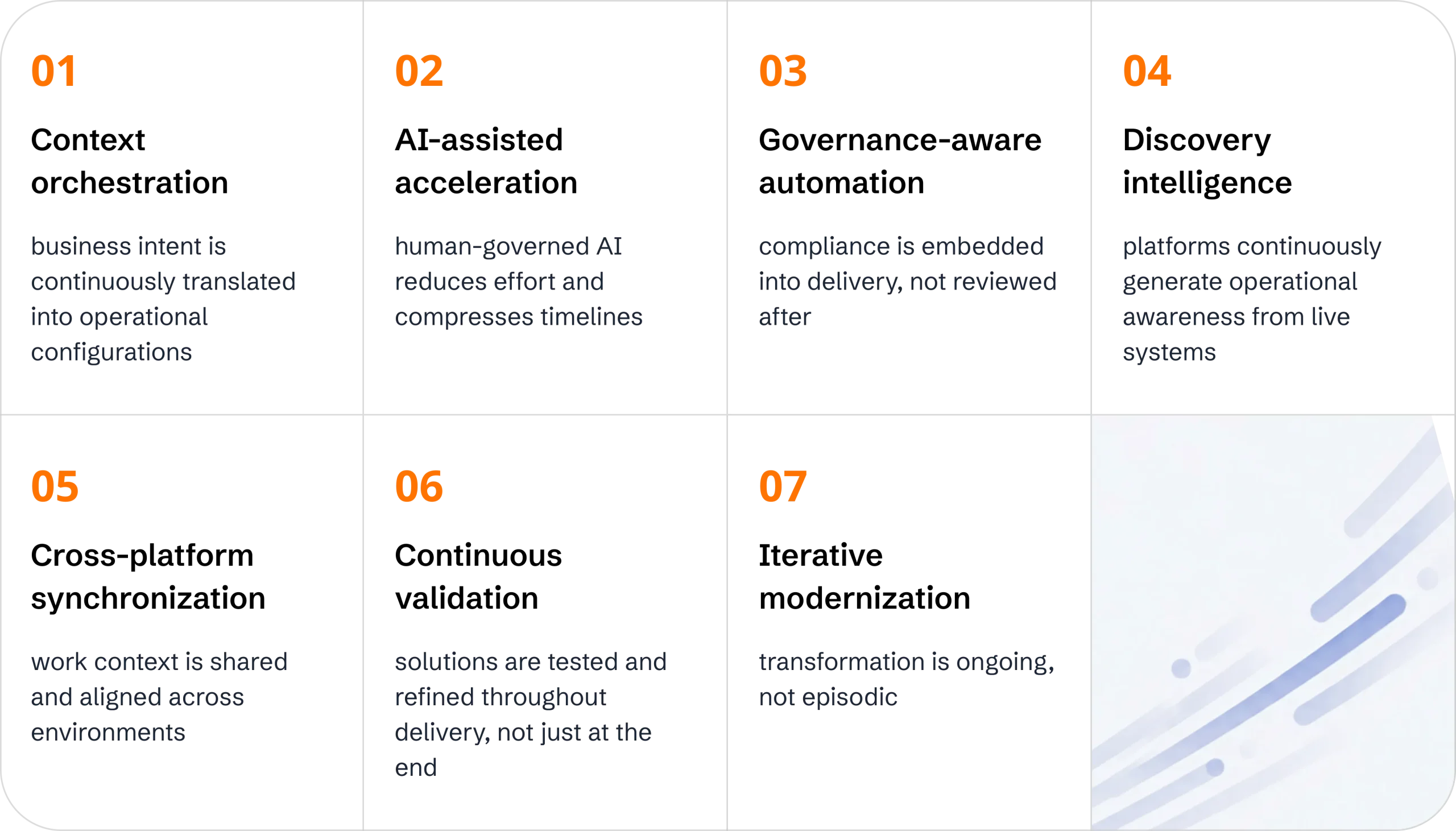
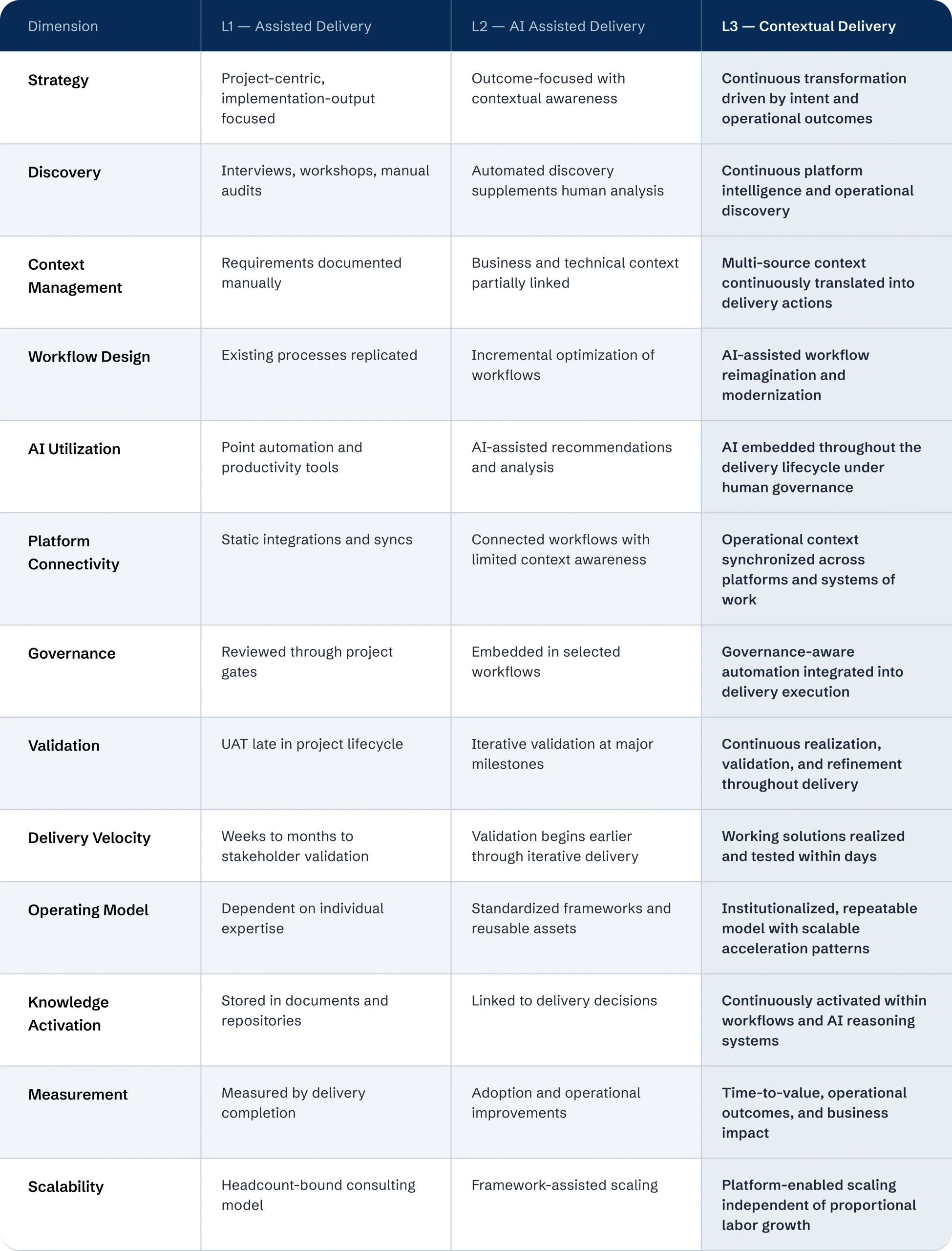
The Contextual Delivery engine
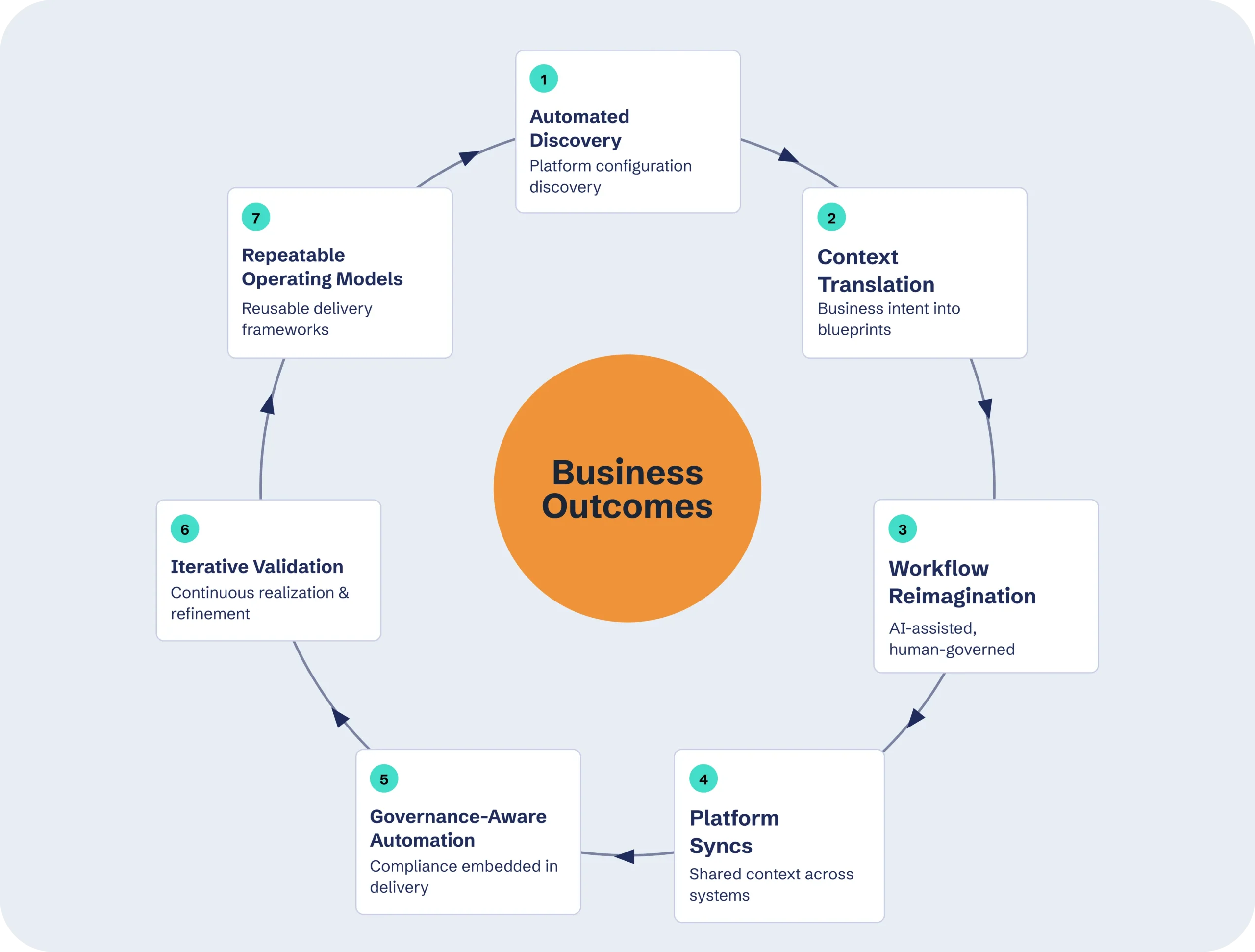
- Contextual DeliveryThe capability model behind rapid results.
-
PROOF
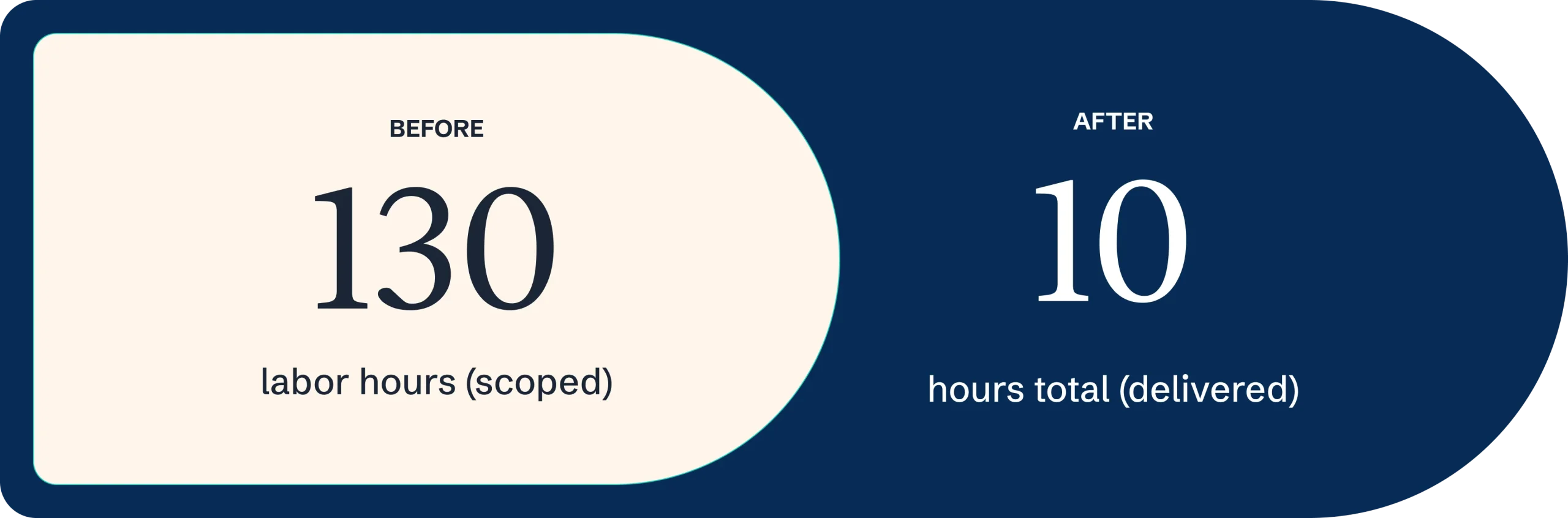
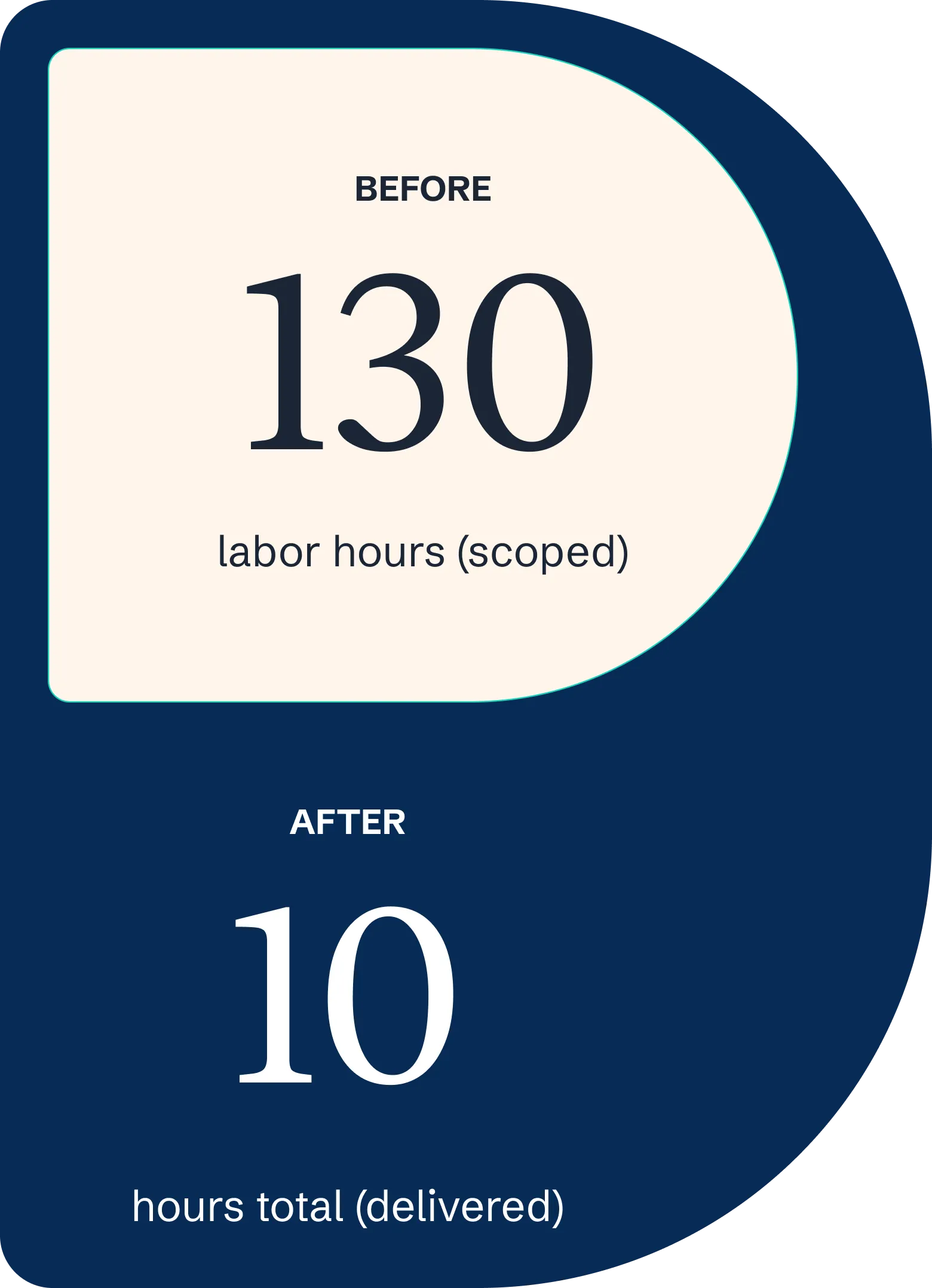
7 to 18 business days
Outcome-priced engagements, with a guaranteed delivery window.
See the Results
-
-
- Industry Solutions
-
-
BUILT DIFFERENT TO BUILD DIFFERENT
Every solution, every industry
Trundl’s contextual delivery engine builds rapid solutions from industry requirements and context.
-
- Services
-
-
Atlassian
DEPLOY
- Rapid Atlassian SolutionsBuilt around how your teams work
- Service ManagementConnected, AI-enabled services, from IT to the business
- Forge DevelopmentCustom apps built for Atlassian
ENABLE
- Trundl Managed ServicesWake up to the full capabilities of Atlassian
- Workshops for Rovo, Loom, and DiaEnable workflows and train your team around powerful AI tools
-
Talent
- IT StaffingUS-based tech recruiters, fit guaranteed.
FEATURED
Rapid Deploy
The engine behind every Atlassian service. Days, not months.
Book an Assessment

-
-
- Case Studies
- About Us
-
-
About Us
Built different from
day one
-
We are Hiring!
Careers
We hire curious, direct, fast moving people who would rather build the thing than write a deck about it.
Join the Team
-
-
- Resources
-
-
Trundl Reading Room
How Trundl thinks and ships
- BlogNotes from live Rapid Deploy engagements
-
STORY
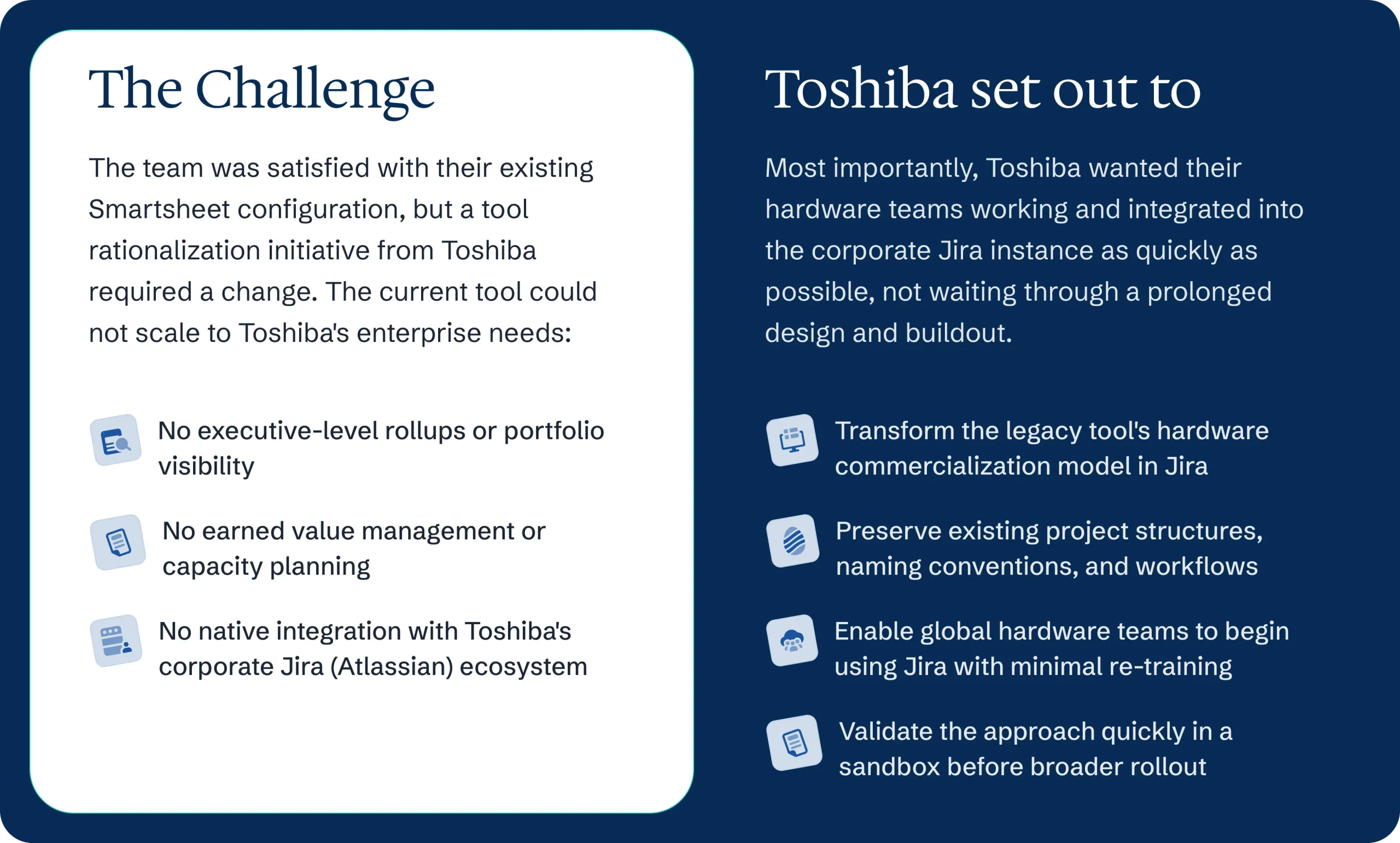
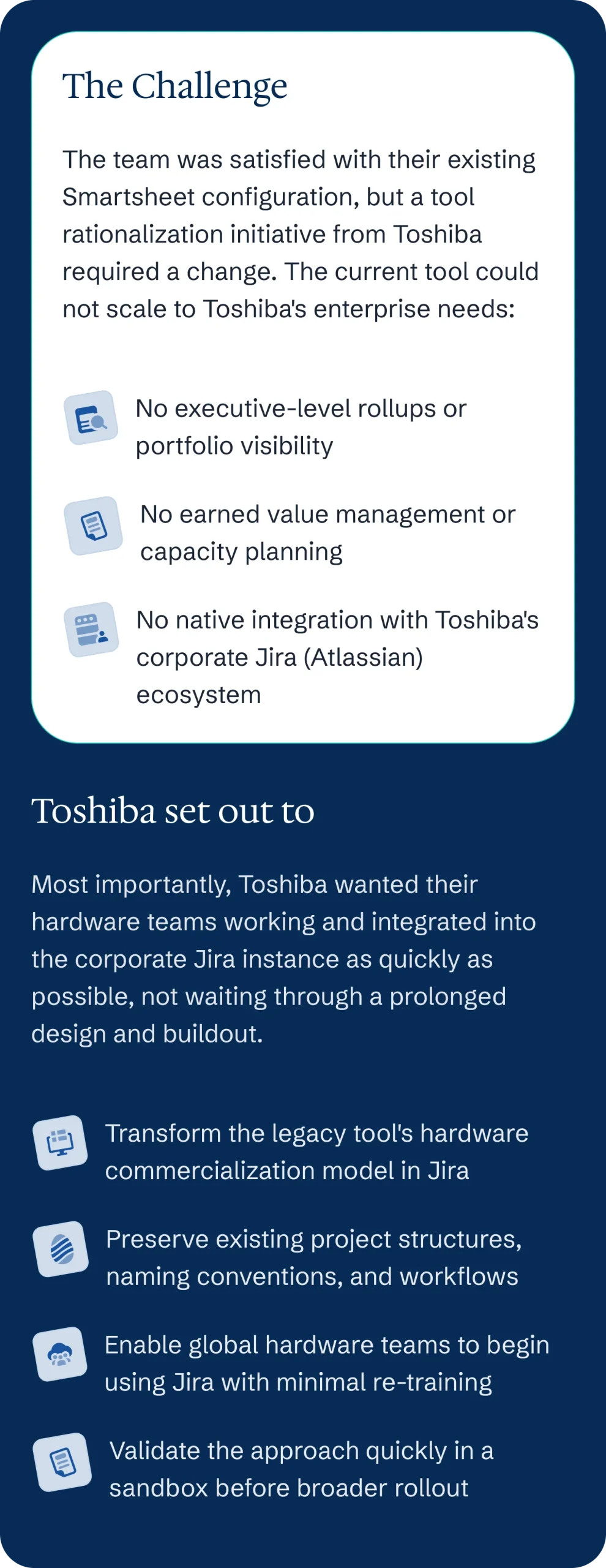
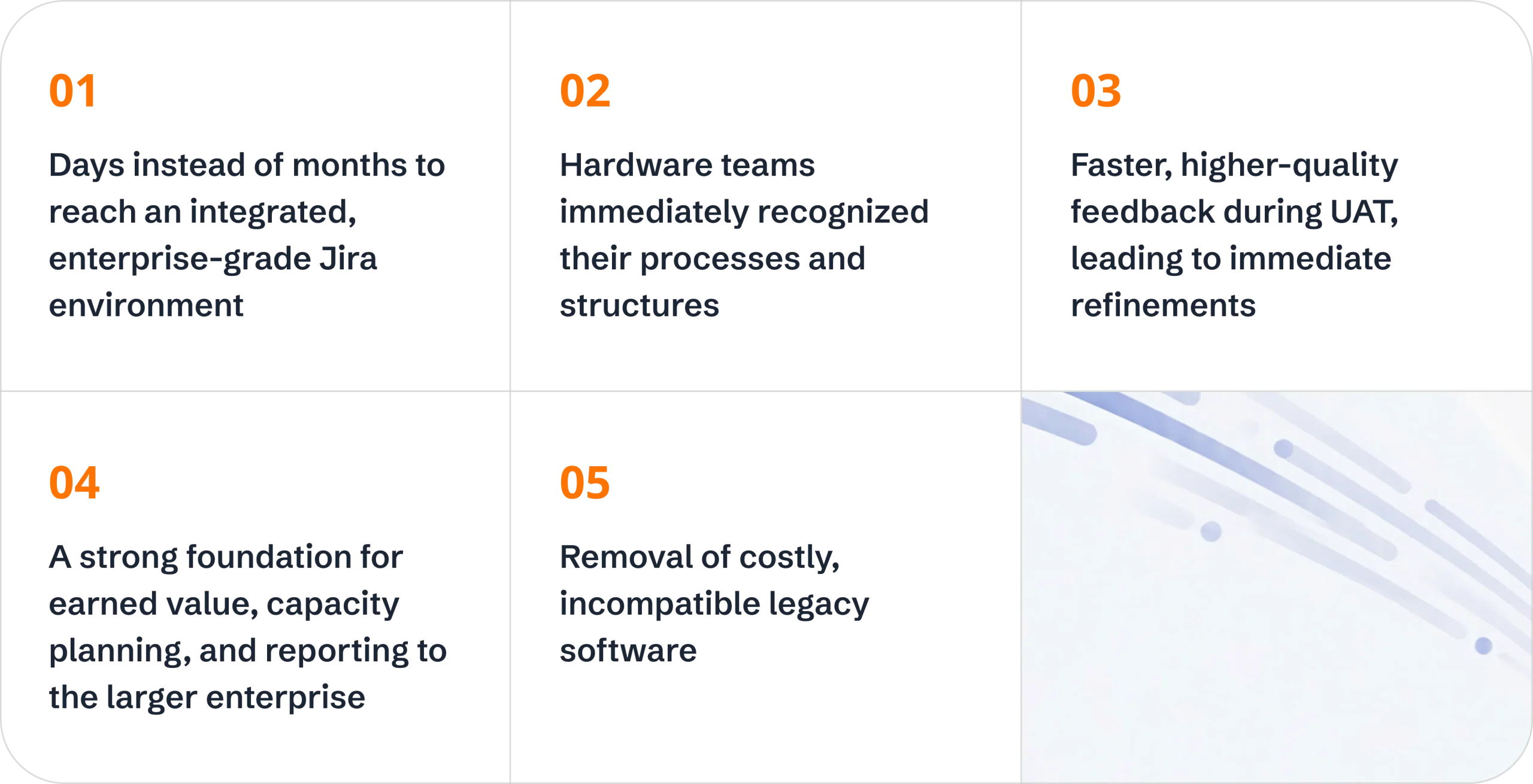
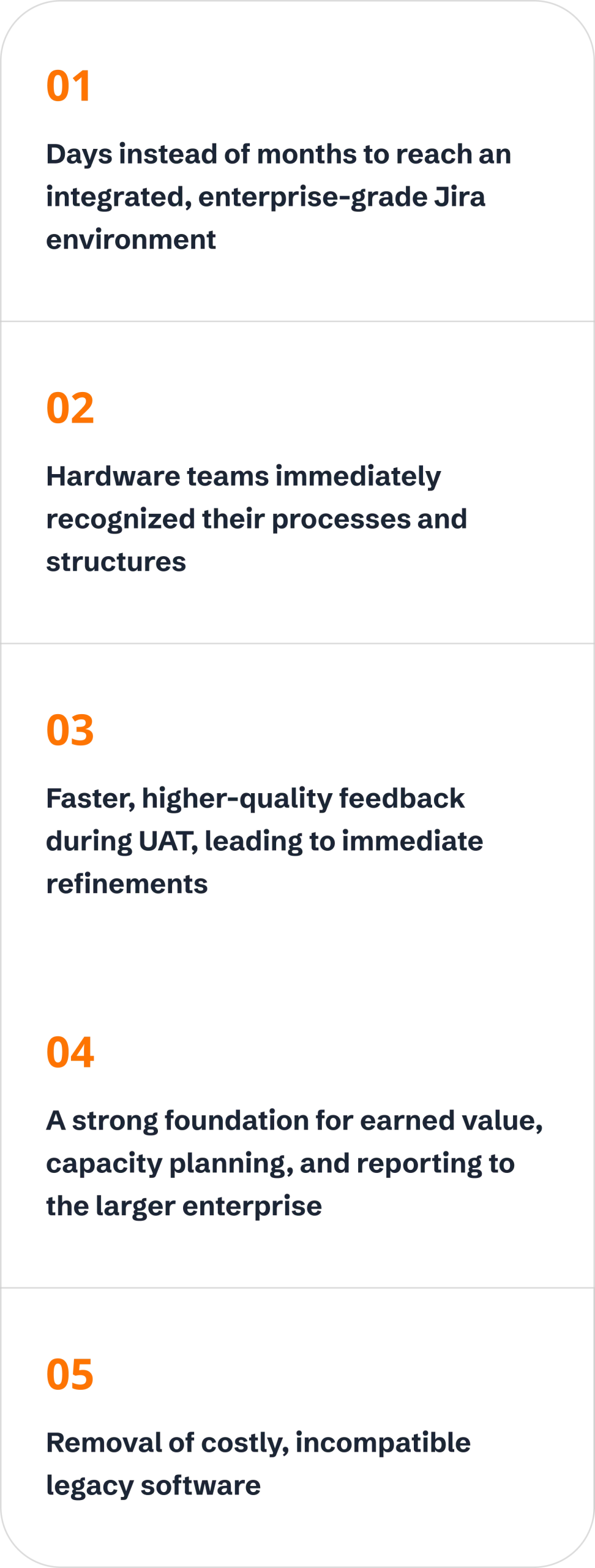
The Toshiba story
How Toshiba's hardware teams were testing their own Jira by the second meeting.
Read the story

-
WHITE PAPER
The Case for Contextual Delivery
Our point of view on Contextual Delivery, the model behind delivery in days.
Read the latest

-
-
PROOF
7 to 18 business days
Outcome-priced engagements, with a guaranteed delivery window.
See the Results
HOW IT CONNECTS
Every solution, every industry
Start at any industry, reach any solution, and back. Industry knowledge plus Rapid Deploy.
- Platform
-
-
Our Platform
The Contextual Delivery engine
- Contextual DeliveryThe capability model behind rapid results.
-
PROOF
7 to 18 business days
Outcome-priced engagements, with a guaranteed delivery window.
See the Results
-
-
- Industry Solutions
-
-
BUILT DIFFERENT TO BUILD DIFFERENT
Every solution, every industry
Trundl’s contextual delivery engine builds rapid solutions from industry requirements and context.
-
- Services
-
-
Atlassian
DEPLOY
- Rapid Atlassian SolutionsBuilt around how your teams work
- Service ManagementConnected, AI-enabled services, from IT to the business
- Forge DevelopmentCustom apps built for Atlassian
ENABLE
- Trundl Managed ServicesWake up to the full capabilities of Atlassian
- Workshops for Rovo, Loom, and DiaEnable workflows and train your team around powerful AI tools
-
Talent
- IT StaffingUS-based tech recruiters, fit guaranteed.
FEATURED
Rapid Deploy
The engine behind every Atlassian service. Days, not months.
Book an Assessment
-
-
- Case Studies
- About Us
-
-
About Us
Built different from
day one
-
We are Hiring!
Careers
We hire curious, direct, fast moving people who would rather build the thing than write a deck about it.
Join the Team
-
-
- Resources
-
-
Trundl Reading Room
How Trundl thinks and ships
- BlogNotes from live Rapid Deploy engagements
-
STORY
The Toshiba story
How Toshiba's hardware teams were testing their own Jira by the second meeting.
Read the story
-
WHITE PAPER
The Case for Contextual Delivery
Our point of view on Contextual Delivery, the model behind delivery in days.
Read the latest
-
-
PROOF
7 to 18 business days
Outcome-priced engagements, with a guaranteed delivery window.
See the Results
HOW IT CONNECTS
Every solution, every industry
Start at any industry, reach any solution, and back. Industry knowledge plus Rapid Deploy.