
2025 and 2026 witnessed AI changing enterprise software, shifting with it the expectations of how we value productive outputs, how we realize tool ROI, and how individuals can be empowered with access to context.
What has not changed? The way we implement and scale our enterprise tooling. Even though certain platforms like Atlassian and monday.com offer AI development tools to configure a single project, or to make a change (without back-end knowledge of the system), getting an enterprise to adopt, design and deploy tooling is far more complex, and takes a more robust, hardened approach.
As an Atlassian Partner, I’ve spent 12+ years in discovery meetings, requirements documents, solution design sessions, configuration build-outs, testing sessions, and weekend migrations. It is labor intensive, and only efficient when experienced architects and engineers lead the process. Enterprise deployments and platform migrations still take months. The platforms changed, but the delivery model didn’t.
Enterprises sit on enormous context. Meeting transcripts, process docs, existing SaaS configurations, work breakdown structures, integrations, compliance, and more. Great tooling that compliments a company’s work and use cases required consultants digesting and manually interpreting context to design a solution, to break it down into work items, and to arrive at a test-ready environment, often times, weeks or months later. It’s time to consume and operationalize context as the key input to delivery
The idea of Contextual Delivery is not new. A decade ago, the term (used by Forrester) described the ability to deliver more relevant digital experiences based on what was known about a user.
The AI era pivots that definition in the world of SaaS. Instead of determining what experience to present; Context can now determine what to build. Documents, conversations, existing configurations, workflows, GRC requirements, team structures, and operating data become inputs into SaaS delivery itself.
Trundl is pioneering Contextual Delivery as an operating model for translating enterprise context into working collaboration systems (Atlassian, monday.com). It’s a technology-enabled approach that determines, creates, connects, validates, and continuously evolves enterprise systems through which work gets done.
As of 2026, Trundl has shifted it’s operations around this model, automating context translation, workflow reimagination, discovery, platform syncs, governance-awareness, and iterative modernization. All of this around a hardened, enterprise-ready delivery platform. This is not “AI implementation,” it is an operating model for translating enterprise context into working systems, rapidly.
The early benchmarks on apply Contextual Delivery to Enterprise SaaS implementations and migrations is significant in core SaaS delivery stages. Trundl estimates up to 70% reduction in Solution Design effort. 60-90% reduction in Solution build-out effort. And 70-90% reduction in Testing & Refinement effort.
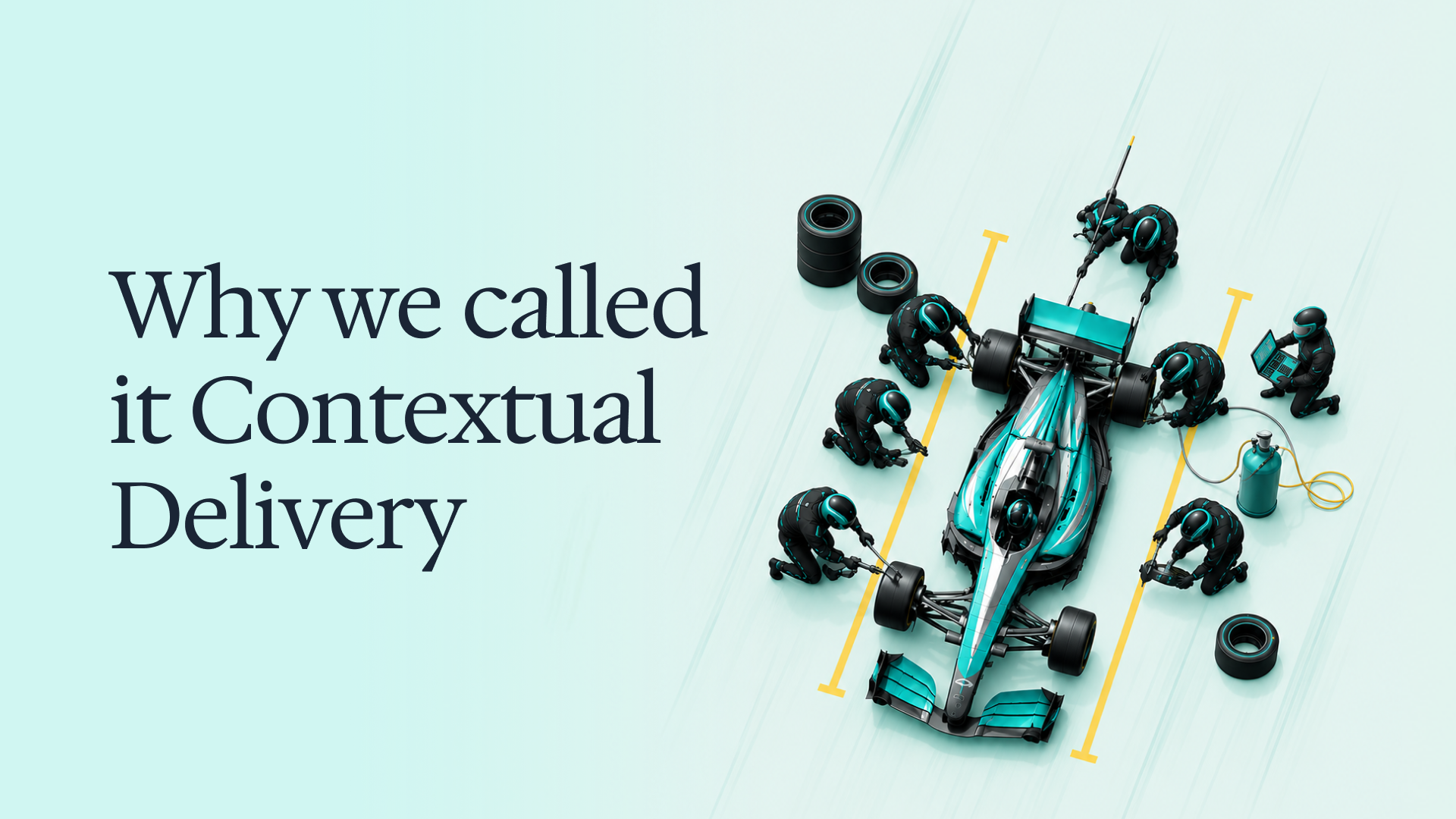
Atlassian is where Trundl is proving the model first, but the concept applies to enterprise SaaS broadly. We called it Contextual Delivery because increasingly, context isn’t something you gather before delivery. Context is what now powers delivery.
Learn more at: https://trundl.com/contextual-delivery/